
Describe the contents clearly
List the material categories and likely amount. Distinguish bulky furnishings, mixed cleanup and dense construction debris, and identify items that may need a separate disposal route. Ask the provider to confirm accepted and prohibited materials for the proposed container.
A household clear-out may mainly involve bulky unwanted contents; a room renovation may create a different mix of packaging, removed fittings and construction debris. Describe the actual project rather than assuming either example establishes material acceptance. If the job will continue producing debris, say whether you expect one removal at the end or need to discuss an exchange during the work.
Space and weight answer different selection questions. Bulky items can occupy substantial room without having the same weight as an equally sized load of dense debris. Explain both the estimated amount and the materials so the provider can recommend an offered container and loading limit. A container with space left in it is not permission to exceed its accepted weight or add a material outside the agreed scope.
Review working space, not just storage space
The delivery vehicle needs a suitable approach and room to place and collect the container. Describe gates, overhead obstacles and surface concerns. Keep loading activity out of walking routes and leave sanitation facilities reachable if both services share the site.
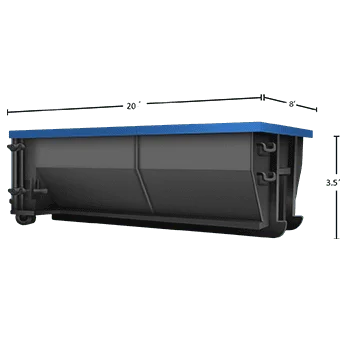
Identify who controls the standing area and how the debris will reach it. Ask whether any loading door or other access feature is included in the actual container, rather than planning from a generic photograph. Keep the accepted loading method separate from any labour you need: renting a container does not by itself include a crew to carry items out of the building.
Confirm the full load and rental conditions
Ask about fill limits, weight allowance, material separation, included disposal, rental dates and exchange or collection requests. Do not treat a container as authorization to occupy public space. Discuss the actual location and applicable site arrangements before booking.
Use the same material description, address and expected work dates when comparing proposals. The written scope should identify the offered container, delivery and retrieval, permitted materials, included weight or disposal basis, hire period and the circumstances that could produce an additional charge. Clarify how an extension, exchange, rejected material or access problem would be handled without relying on an advertised starting figure.
Allow time for the actual loading activity and the confirmed collection arrangement. Tell the provider if the work end date is uncertain and ask how to request pickup or a revised period. Finishing the cleanup, reaching a fill limit and having a collection appointment are separate events; keep access available until the provider has removed the container.
Questions before you book
Can all cleanup materials go in one dumpster?
Not necessarily. Give a material list and confirm acceptance; some items or waste streams need separate handling.
Does a toilet rental include dumpster collection?
No. They are distinct equipment and waste services, even when requested together.
Does choosing a larger container remove the weight restriction?
No. Ask for the permitted materials and weight conditions of the actual offer. Nominal space, fill height and accepted weight are different limits; discuss dense materials before loading.
Is pickup automatic when the cleanup is finished?
Do not assume so. Use the collection process and notice agreed with the provider, and confirm any change to the rental period while keeping the approach clear.