
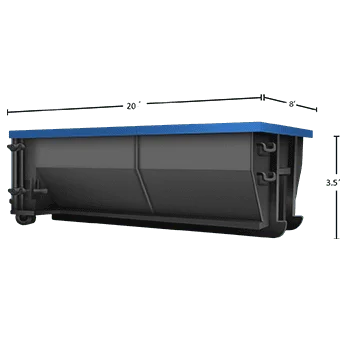
Describe the approach and operating area
Give the provider the entrance, gate and route to the proposed position. Explain overhead lines or structures, turning constraints and surface condition. Ask for the working clearance of the actual vehicle and container instead of substituting the container dimensions.
The delivery is a handling operation, not simply parking a box. Ask the provider to assess the approach, working area and final position together for the equipment offered. A truck must be able to complete the agreed placement and later recovery; do not plan by the container footprint alone or assume the vehicle can use a pedestrian shortcut.
A renovation, property clear-out or staged construction job can prompt a roll-off enquiry, but the format does not determine the right capacity or what may go inside. Give the material list and likely quantity before selecting equipment. Volume, weight and disposal conditions still belong in the request, even when the main question here is where the vehicle can work.
Plan how people will load it
Discuss the loading method, door access if relevant and how materials reach the container. Keep pedestrian paths and necessary exits clear. Do not climb, modify or reposition equipment outside the provider’s instructions.
Confirm which loading features the offered container has and whether the planned approach to them can remain clear while work proceeds. Describe any machinery or loading method you expect to use so the provider can assess it; do not improvise a different method after delivery. Follow the accepted material and fill instructions, including when material remains to be removed from the property.
Preserve collection access
A full container still needs the agreed vehicle approach. Avoid parking, storage or newly installed barriers that obstruct removal. Confirm fill and weight limits, accepted materials and how exchanges or pickup are requested. Permission to use the property is separate from the rental.
An exchange is a separately coordinated removal and replacement, not permission to keep loading an unsuitable or full container. Explain whether the work will pause while the movement is arranged and ask what the provider can actually offer. The replacement, access window, materials and disposal terms need agreement; uninterrupted container availability is not assumed.
Before confirming the hire, check delivery, the permitted time on site, collection or exchange requests and any change or extra-charge terms with the provider. Name a contact who can keep the agreed route available after other trades or vehicles arrive. If the position becomes unusable, report the change and agree the response rather than moving the container yourself.
Questions before you book
Can it go under an overhead obstruction?
Have the provider review actual vehicle and handling clearances. Do not infer safe clearance from the container height.
Should ground protection be discussed?
Yes. Describe the surface and any concerns before placement and agree an appropriate plan with the provider.
Is roll-off a description of the debris that can be accepted?
No. It describes the removable-container arrangement. The provider must still confirm the actual materials, quantity, weight conditions and disposal scope.
Does an exchange automatically continue the original hire on the same terms?
Ask how the replacement container, dates, transport and disposal will be quoted and confirmed. An exchange request is not itself a confirmed appointment or unchanged price.