
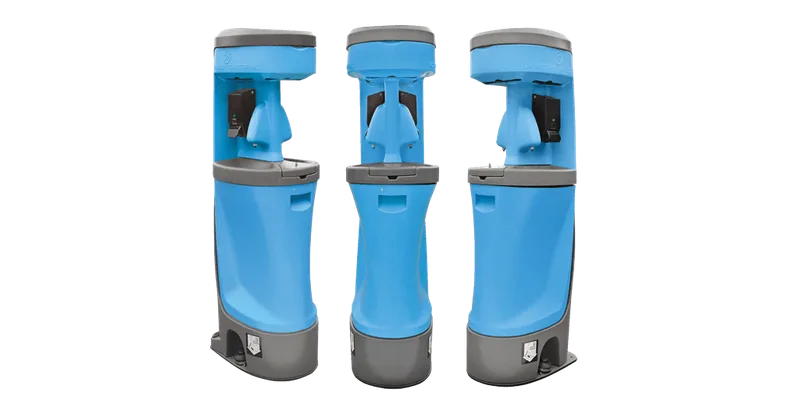
Turn the hands-free request into specific questions
Ask how a user starts and stops the water on the proposed model, obtains soap and takes the drying material. A foot-operated water control, for example, says nothing by itself about how a separate dispenser operates. Do not assume a pedal, sensor or any other mechanism is fitted unless the provider confirms it for that equipment.
Explain whether your preference concerns water operation alone or several parts of washing. Use the supplier’s description or operating information for the actual model, not a generic photograph. Keep any uncertain action marked as a question rather than telling users that the whole station is contact-free when only one feature has been described.
Check whether people can use the described controls
Describe the intended users and any practical reach or operation needs without sending personal medical details. A hands-free label does not establish that every person can approach or operate the station. Discuss the actual standing or seated approach, control position and space around the equipment with the responsible site planner and provider.
If the proposed mechanism does not suit the requirement, ask whether a different suitable model or arrangement is genuinely offered. Do not wedge a control open, alter a dispenser or add improvised parts to make rented equipment behave differently. Identify the function that is still unresolved so the supplier can respond to that requirement rather than simply repeating the product category.
Retain a complete washing function
Control style is only one part of the station. Confirm the water arrangement, soap, drying supplies and used-water collection for the actual model. A self-contained proposal and a connected proposal can have different support requirements; ask what the property must provide. A sanitizer dispenser is a different function and does not itself supply a water-and-soap station.
Place the agreed equipment where people can reach and use it without blocking restroom doors, activity routes or provider access. Explain expected users, occupied hours and busy intervals so the complete arrangement can be assessed. Do not infer suitability for drinking, food preparation or another specialised use from a general handwashing description; describe those requests separately.
Confirm the description and continuing support together
Ask the quotation to identify the offered station and the particular operating features you agreed, along with the Birmingham address, position and full rental period. Include delivery, collection, permitted connections where relevant, cleaning, water and used-water service, soap and drying supplies. A requested feature remains unconfirmed until the actual proposal answers it.
Give the onsite contact the provider’s instructions and agreed care responsibilities. If a control or dispenser does not operate as described, report the specific difference; do not convert that observation into a repair attempt. Agree who notices shortages and what replenishment the provider includes, keeping access available through collection. Hands-free operation is not a promise that the station will maintain or replenish itself.
Questions before you book
Does hands-free water operation mean the soap dispenser is hands-free too?
Not necessarily. Ask how each part of the actual station operates rather than extending one feature description to every fitting.
Does a hands-free label establish accessible use?
No. Review the approach, space and actual controls for the intended users. The label alone does not resolve practical access or operation.
Can we change the controls ourselves?
Do not alter the rented equipment. Explain the unmet requirement to the provider and ask about a suitable offered arrangement.
What should remain in the quote besides the operating feature?
Confirm the model, full dates, delivery and collection, placement, water and used-water arrangements, cleaning, soap, drying and replenishment responsibilities.